Welcome to the Virginia Society of Ornithology
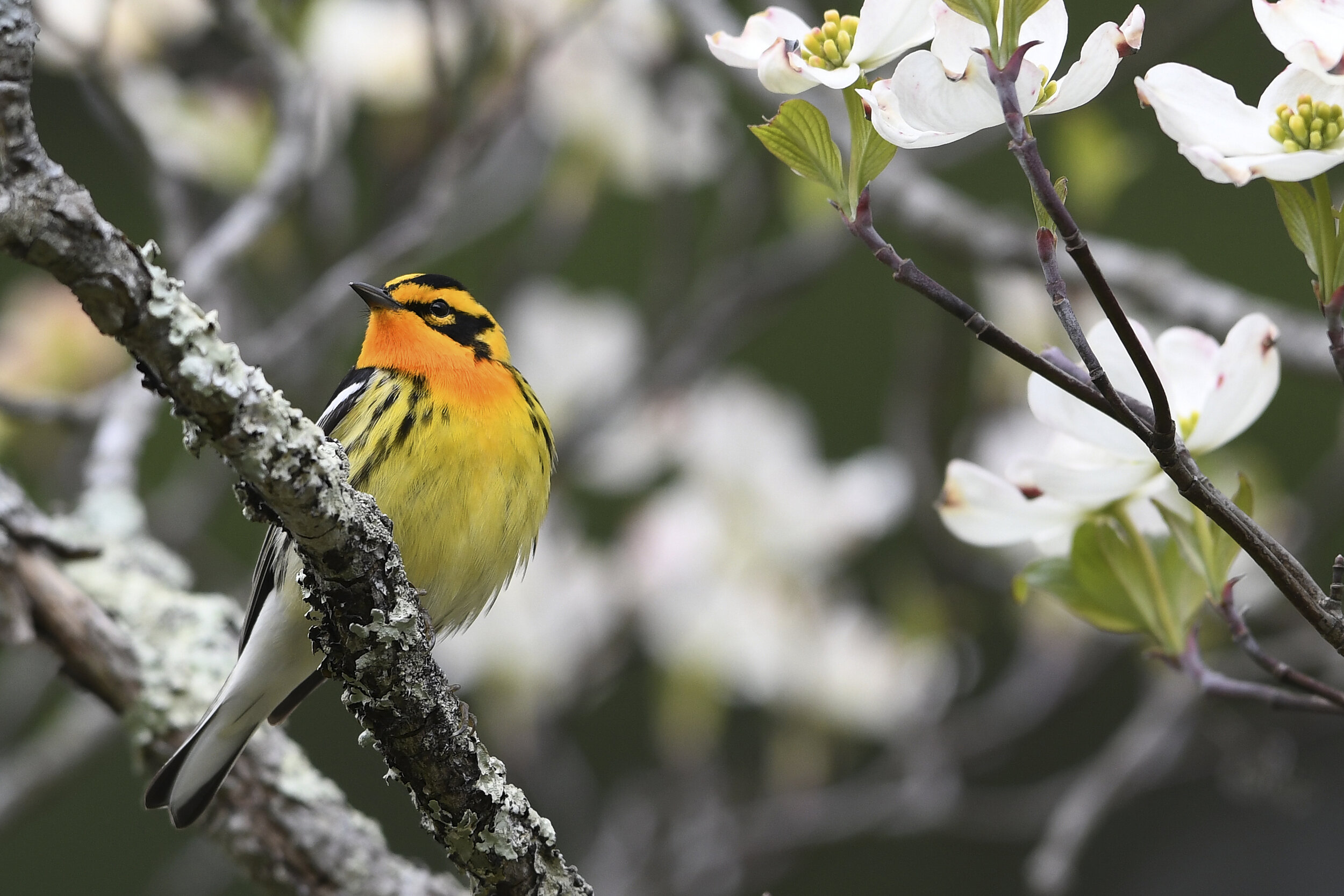
Photo: Blackburnian Warbler, Dick Rowe
The Virginia Society of Ornithology is a nonprofit organization dedicated to the conservation of Virginia’s birds through research and education, and by connecting people of all genders, races, identities, and abilities who enjoy birds.
The VABBA2
The second Virginia Breeding Bird Atlas (VABBA2) began with a five-year survey of all bird species that breed within the state borders. Using data collected over the course of this project, project researchers have mapped the current distribution and breeding status of Virginia’s bird community, providing a vital resource to inform avian conservation and management strategies.
Birding in VA
Birding is not only an incredibly enjoyable hobby, but can also contribute in a huge way to local conservation efforts. Take a look at our birding resources…whether you are brand new to birding or a seasoned pro, we have something to support your time in the field.
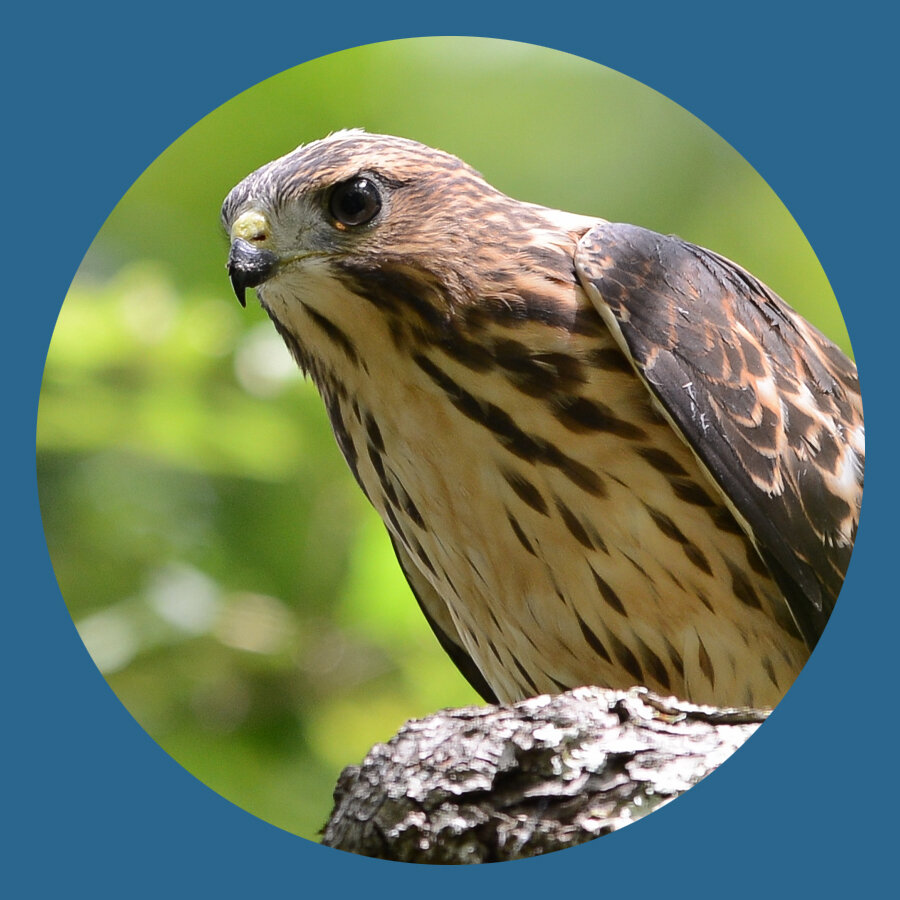
Photo: Broad-winged Hawk, Dick Rowe

Virginia Bird Atlas
Explore the newly-published Atlas! This culmination of the VABBA2 Project went live on October 31, 2025.
Photo: Prothonotary Warbler, Jim Easton
What’s happening at VSO
Read about our latest news, events and programs below.
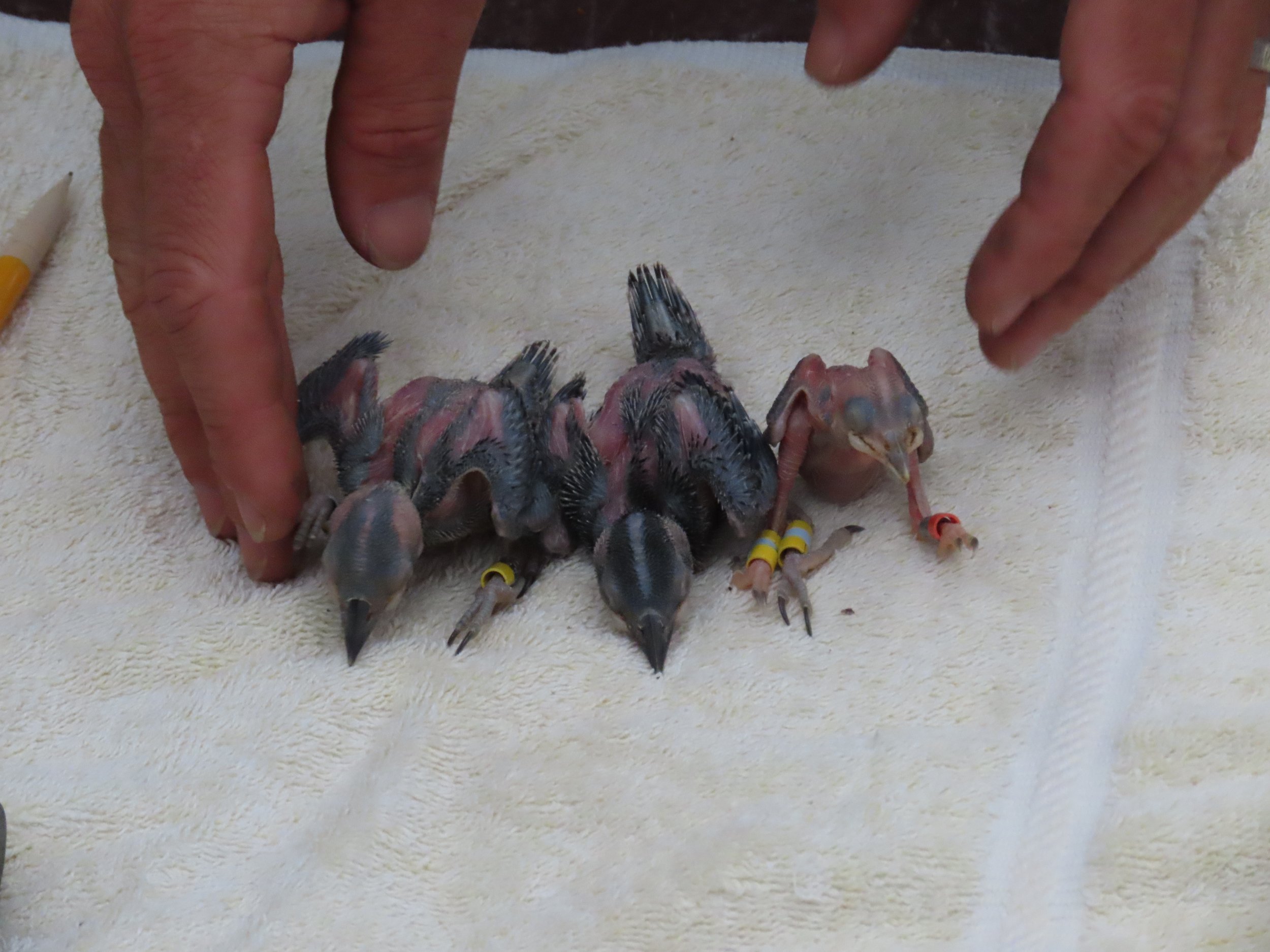
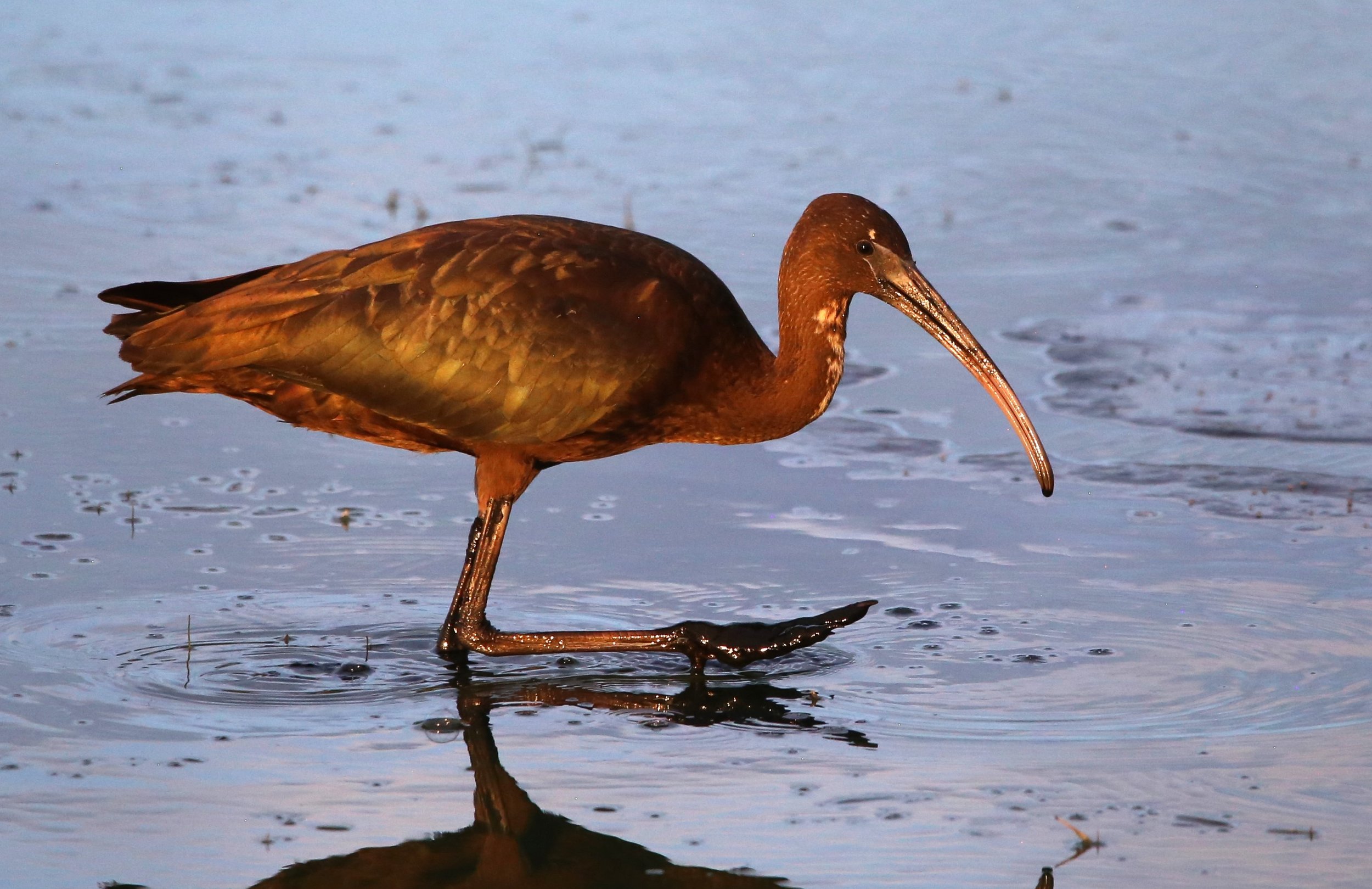
Looking for more News items? Browse our News page.
Join us in the field!
Find an upcoming field trip or event and learn from our membership, a diverse group of new and experienced birders united by the love of birds.
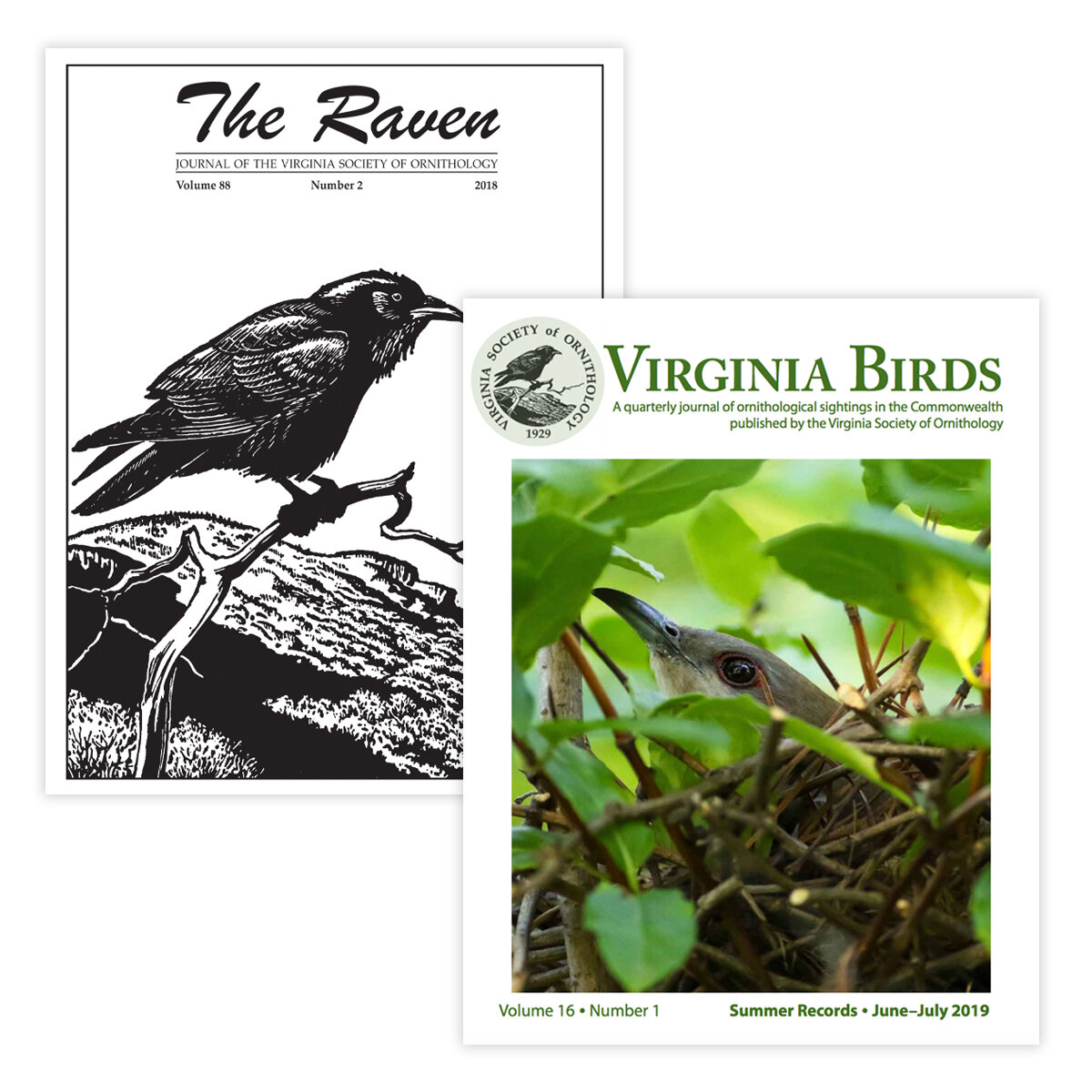
VSO Publications
Supporting the scientific study of Virginia’s birds
Explore VSO’s scientific publications, which are delivered to all members as a benefit of Society membership. The Raven, published twice per year, is an outlet for original scientific articles, studies and reports on Virginia’s birds.
The Virginia Birds Journal chronicles bird sightings throughout Virginia and is published 4 times per year.
Become a VSO Member
When you become a member or make a donation to VSO, you support our efforts to protect and enjoy Virginia’s birds and conserve vital habitat.
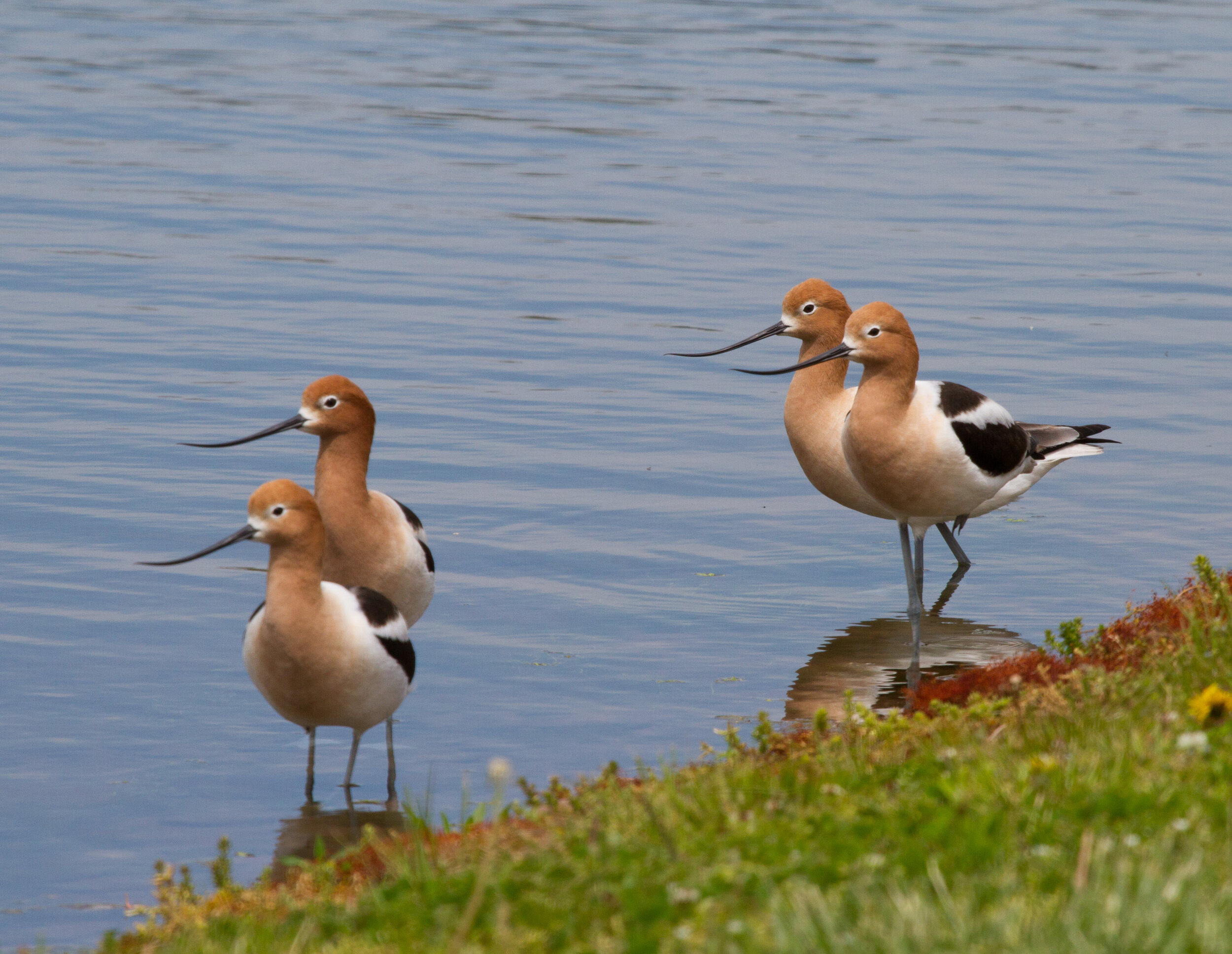
Photo: American Avocets, Diane Lepkowski